Long-form guide
A current-season check on Mahjong Ways 2 current guide 2026
Mahjong Ways 2 current guide 2026 carries recency intent. Readers are checking whether older impressions still hold and whether the current version of Mahjong Ways 2 matches what they have heard. Timely writing should separate durable facts from short-lived trend language.
Mahjong Ways 2 current guide 2026 tends to appear when quick snippets stop being enough. At that point, readers want a more grounded editorial pass: what the experience feels like in practical terms, which claims deserve caution, and what decision signals actually help when evaluating Mahjong Ways 2.
A timely query like Mahjong Ways 2 current guide 2026 is less about novelty for its own sake and more about confidence. Searchers want to know whether the page they are opening is still relevant, whether the game still appears in active lobbies, and whether earlier impressions still match the present version they are likely to see. Current-season keywords often hide a simple motive: people want to know whether the title still feels relevant or if it has been replaced by fresher alternatives. If real-money access is involved, the sensible approach is to treat this as information, not pressure, and to step away from any session that starts to feel driven by recovery chasing rather than entertainment.
The part of Mahjong Ways 2 that short SEO posts usually skip
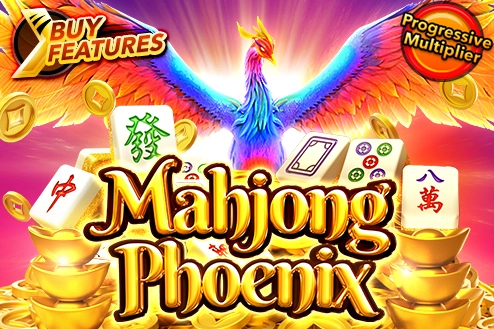
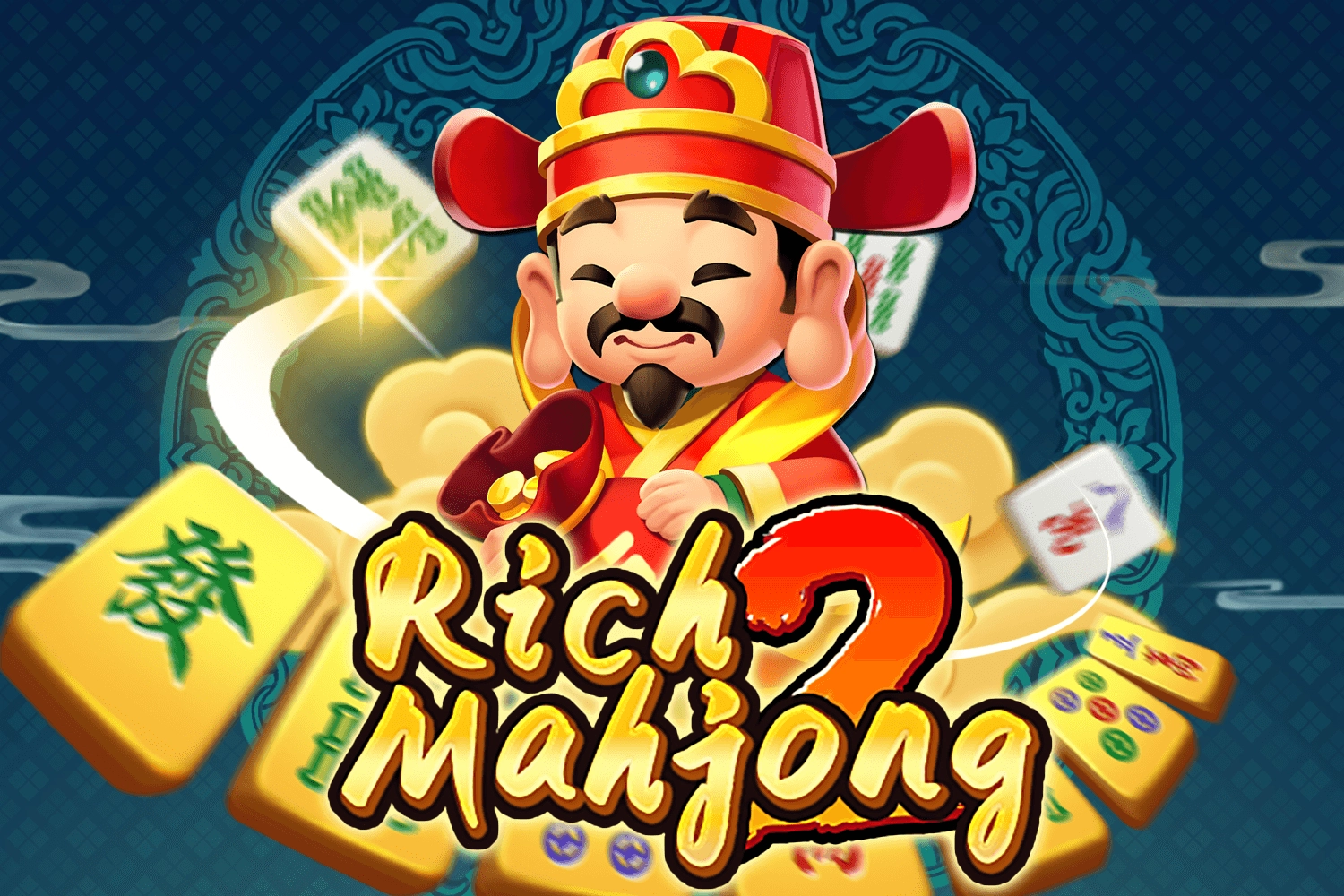
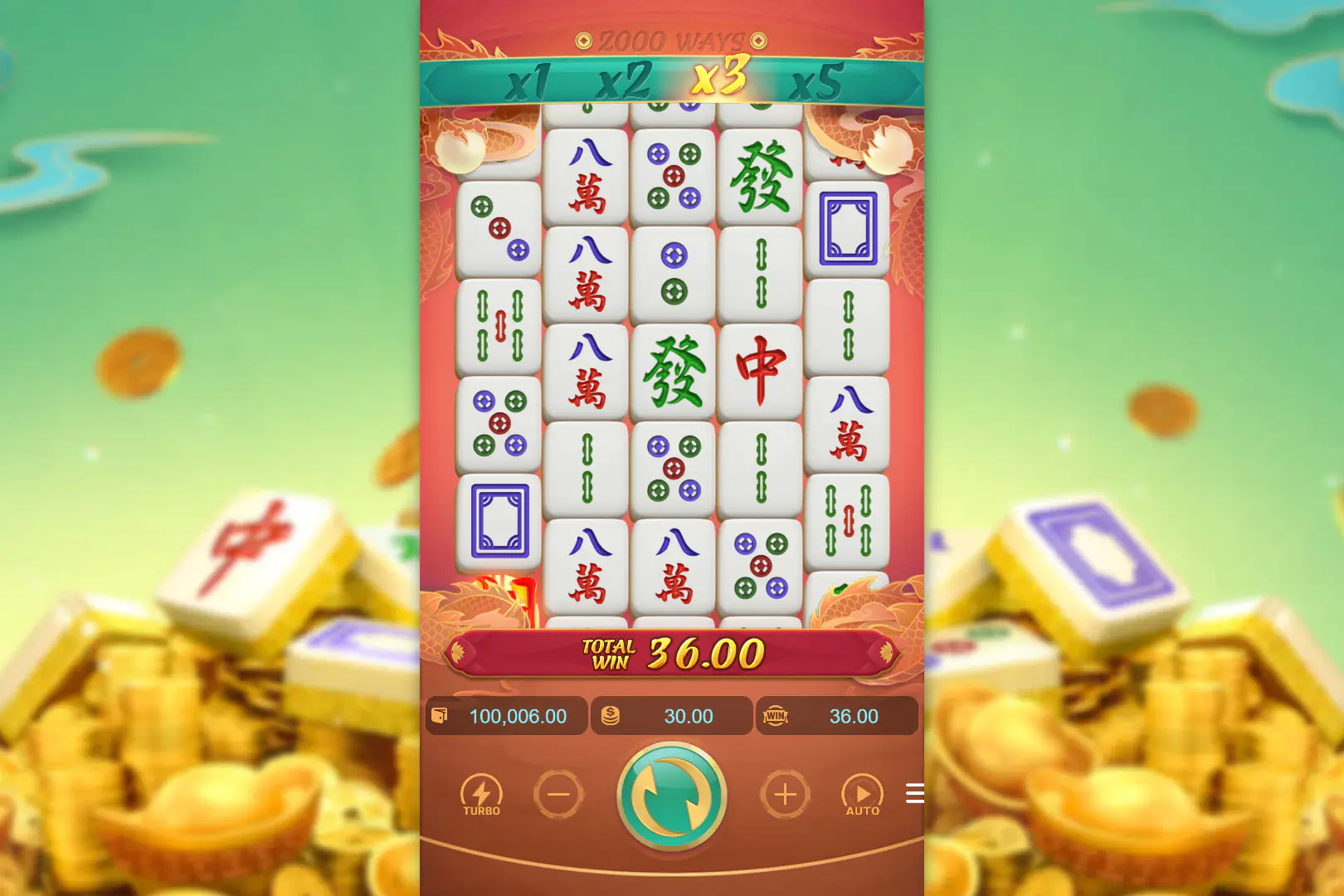
热门麻将玩法,连击组合多,收益节奏连续 In the source dataset it is also listed as 麻将胡了2, which helps connect the English search phrases with the local naming readers may have seen elsewhere. What matters here is not dramatic language but accurate framing. A useful guide explains whether the tone is relaxed or tense, whether the pacing feels smooth or abrupt, and whether the attraction comes from theme recognition, bonus structure, or simple readability on the screen. Those are the details that help a person decide whether the topic deserves another click instead of another vague headline.
Mahjong Ways 2 becomes easier to judge when you stop asking whether it is popular and start asking what kind of session it creates. Some games are memorable because they move quickly and reward attention in short bursts. Others are memorable because they let a player settle in and follow a cleaner rhythm. Category pages have a similar split: some are useful because they simplify rules, while others help the reader compare several branches of the same ecosystem. Once that frame is clear, the rest of the article can stay honest without becoming dry.
What readers expect from a current-season check
whether Mahjong Ways 2 is still worth checking right now Current-season keywords often hide a simple motive: people want to know whether the title still feels relevant or if it has been replaced by fresher alternatives. The answer should feel grounded enough that the reader could use it whether they stop here or continue browsing deeper into related pages. That means being clear about what is known from the local data source, what has to be verified in a live environment, and what belongs to individual taste rather than objective fact.
Search intent matters because it changes the standard for a good article. Someone looking for a basic introduction can be helped by a careful overview and a few strong distinctions. Someone looking for a comparison or an RTP-related explanation needs more restraint and more precision. The wording has to change with the motive. Otherwise every page starts sounding like the same formulaic paragraph with different nouns dropped in, and readers can tell when that has happened.
What stands out after a longer look
Mahjong Ways 2 tends to attract readers who care about the shape of a session as much as the theme on the card. They benefit from a guide that separates what is genuinely current from what is simply recycled trend language. In editorial terms, that is a far more useful frame than asking whether the topic is simply good or bad. A real session always involves fit: fit with pace, fit with risk tolerance, fit with patience, and fit with the kind of visual or rule complexity the player finds comfortable rather than tiring. When that language is present, the article feels written by someone paying attention instead of someone filling space.
What tends to separate a memorable title from a forgettable one is not just bonus volume. It is whether the whole package stays readable after the novelty wears off. The same is true of a category page. If the explanation keeps helping after the first paragraph, then it is doing real work. Readers do not stay because an article is loud. They stay because each paragraph adds a new detail, a more exact distinction, or a better sense of how the experience will actually feel once they move beyond the search results page.
Reader fit for recency-focused decisions
The people most likely to find value in Mahjong Ways 2 are usually the ones who know what kind of session they are looking for and are willing to walk away when a topic does not match that shape. They are not trying to be sold a fantasy. They are trying to decide whether the theme, rhythm, and structure line up with their own habits. That is why a grounded article should mention not just the likely audience, but also the readers who may be better served elsewhere. If the pace feels wrong, if the volatility sounds uncomfortable, or if the rules demand more patience than the player wants to give, that is not a failure. It is simply a sign that another lane may fit better.
This fit question also matters because search keywords can make different readers look identical when they are not. Two people might type the same phrase and mean very different things. One wants a quick orientation before casual play. Another wants to compare several options before committing any real time or money. A third may simply be translating a local name into English and checking whether the title they remember is the same one listed elsewhere. Real editorial writing respects those differences. It avoids pretending that a single recommendation can cover all of them, and it gives each kind of reader enough context to decide without being pushed.
Where caution improves the reading value of the keyword
Current-year articles need the humility to say what may have changed and what still requires a direct check inside the live product. For a title page, the most useful verification step is to open the help or paytable area and compare the real in-client information with whatever the search result promised. That is especially important in gambling-adjacent spaces, where confident wording can outrun the evidence very quickly. A responsible article keeps bringing the reader back to verifiable information, local law, budget boundaries, and the difference between enjoying a session and chasing an outcome.
One of the most helpful things a long guide can do is lower the temperature. It can remind the reader that curiosity does not have to turn into urgency. If a page, a platform, or a bonus pitch makes the topic sound too easy, too certain, or too universally profitable, that is exactly when a calmer reading matters most. Good content should help people slow down, compare details, and walk away if the fit or the risk level feels wrong.
Where this keyword lands after a full reading
Mahjong Ways 2 current guide 2026 does not need exaggerated language to justify its place on the site. Readers who discovered it through the local name 麻将胡了2 and those who searched for Mahjong Ways 2 are usually looking for the same thing: a useful explanation that sounds like a person wrote it. The stronger editorial move is to describe the session honestly, point out the limits of any unsupported claim, and leave the reader with enough context to make a calm decision. That approach may be less flashy, but it has longer value. It respects the reader's time, it respects uncertainty where uncertainty is real, and it gives the page a human texture that generic filler text cannot match.
In the end, the strongest thing this page can do is leave the reader better oriented than they were before they arrived. If they continue to a detail page, comparison page, or operator lobby, they should understand what they are looking for. If they decide the topic is not for them, the article has still done its job. A trustworthy guide does not need to force momentum. It only needs to replace confusion with clarity.
Guide highlights
- Long-form English coverage for Mahjong Ways 2 current guide 2026
- Neutral editorial framing around Mahjong Ways 2 with clear, natural language
- Specific notes on fit, verification, and responsible reading for the seasonal guide