Long-form guide
What Wild Bounty Showdown alternatives comparison comparison searches are actually asking
When people search Wild Bounty Showdown alternatives comparison, they are usually deciding between close options. A strong versus-style article should avoid fake certainty and instead map where Wild Bounty Showdown clearly wins, where it is merely different, and where another title may be the smarter fit.
The reason Wild Bounty Showdown alternatives comparison keeps surfacing is that it sits at the point where curiosity turns into scrutiny. Someone has already noticed Wild Bounty Showdown; now they want a fuller explanation before they give it more time. In practice, that means they need something steadier than promo copy. They need context, a sense of how the experience unfolds, and some honest language around where the game or category works well and where it may not. Good editorial pages earn trust by making that shift from attention to understanding feel easy.
The phrase Wild Bounty Showdown alternatives comparison shows that the reader has moved into comparison mode. They no longer need broad praise. They need sharper distinctions around volatility, tempo, theme fatigue, interface comfort, and how long a session tends to feel satisfying. Comparison searches usually begin when a player has already narrowed the field and now needs sharper language for the trade-offs. If real-money access is involved, the sensible approach is to treat this as information, not pressure, and to step away from any session that starts to feel driven by recovery chasing rather than entertainment.
Wild Bounty Showdown beyond the thumbnail
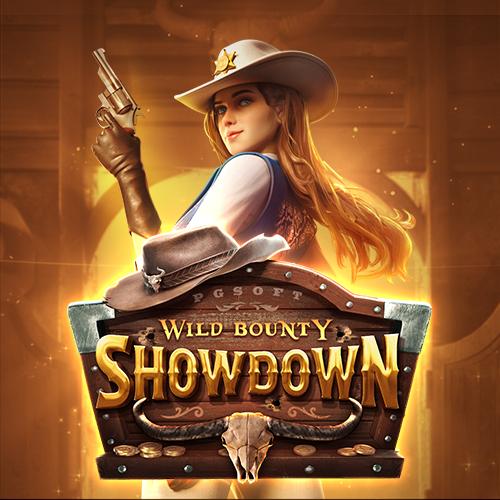
西部牛仔对决主题,高波动高收益风格 In the source dataset it is also listed as 赏金大对决, which helps connect the English search phrases with the local naming readers may have seen elsewhere. What matters here is not dramatic language but accurate framing. A useful guide explains whether the tone is relaxed or tense, whether the pacing feels smooth or abrupt, and whether the attraction comes from theme recognition, bonus structure, or simple readability on the screen. Those are the details that help a person decide whether the topic deserves another click instead of another vague headline.
A lot of weak content talks around Wild Bounty Showdown instead of through it. It repeats broad claims, points at visual style, and never really says what makes the experience distinct. A stronger guide names the actual hooks. It explains where the pace comes from, why the searcher may care, and what kind of reader is likely to appreciate the format. That is the difference between filler and guidance, and it is the difference people can feel within a few paragraphs.
How readers decide between Wild Bounty Showdown and alternatives
how Wild Bounty Showdown stacks up once you compare pace, mood, and swing Comparison searches usually begin when a player has already narrowed the field and now needs sharper language for the trade-offs. The answer should feel grounded enough that the reader could use it whether they stop here or continue browsing deeper into related pages. That means being clear about what is known from the local data source, what has to be verified in a live environment, and what belongs to individual taste rather than objective fact.
A practical keyword page should feel tailored to the reason the search was made in the first place. That is why this piece does not pretend every reader wants the same thing. Some want a fast explanation. Some want to test the language against what they have already heard. Others are trying to avoid wasting time on a title or category that simply does not match their style. The best long article gives all of those readers something usable without leaning on robotic repetition.
What you notice once the first impression wears off
Wild Bounty Showdown tends to attract readers who care about the shape of a session as much as the theme on the card. What helps them most is not a winner announced from a podium, but a clean explanation of what kind of player usually leans one way or the other. In editorial terms, that is a far more useful frame than asking whether the topic is simply good or bad. A real session always involves fit: fit with pace, fit with risk tolerance, fit with patience, and fit with the kind of visual or rule complexity the player finds comfortable rather than tiring. When that language is present, the article feels written by someone paying attention instead of someone filling space.
A longer look also reveals where a topic may not fit. Some readers prefer short, decisive bursts; others want steadier pacing and less noise. Some enjoy comparison shopping between adjacent titles; others want one rules-first explanation and then a clear next step. By speaking to those differences directly, the article becomes easier to trust. It no longer sounds like it was written to flatter every possible reader at once, which is usually how mass-produced SEO copy loses its credibility.
Who should avoid forced winner-take-all conclusions
Wild Bounty Showdown tends to land best with readers who enjoy making a small judgment before they jump in. They like noticing tone, pace, and rule clarity, and they usually appreciate a guide that tells them what kind of mood the session creates instead of shouting that it is for everyone. That matters because a lot of disappointment comes from mismatch rather than quality. A player who wants calm repetition may struggle with a title built around swing and interruption. A reader who wants a rules-first category explanation may have no patience for a page that only describes surface-level atmosphere. Naming those fit questions openly makes the article more useful and far less synthetic.
There is also value in saying who should probably skip it. Readers who dislike uncertainty, dislike needing to verify operator details, or dislike sessions that depend on patience may not get much from forcing themselves into the topic just because it is widely searched. The same goes for anyone who notices that the curiosity is being driven more by urgency than by interest. In that moment, the most responsible advice is not to keep escalating the pitch. It is to step back, compare calmly, or leave the topic alone. Honest exclusions like that are part of what make long-form pages feel written by a person rather than assembled from a template.
What to verify before you rely on any claim
Comparison pages are at their best when they admit where two games are serving different moods rather than forcing a simplistic winner. For a title page, the most useful verification step is to open the help or paytable area and compare the real in-client information with whatever the search result promised. That is especially important in gambling-adjacent spaces, where confident wording can outrun the evidence very quickly. A responsible article keeps bringing the reader back to verifiable information, local law, budget boundaries, and the difference between enjoying a session and chasing an outcome.
Verification is not a dry legal footnote; it is part of what makes the reading useful. It tells the reader where the article's confidence comes from and where they should still do their own checking. That habit matters for casual browsers, and it matters even more for anyone considering real-money play. The more specific the keyword becomes, the more valuable this caution becomes, because narrow keywords often tempt writers to sound more certain than the evidence allows.
The final takeaway without the sales tone
Wild Bounty Showdown alternatives comparison does not need exaggerated language to justify its place on the site. Readers who discovered it through the local name 赏金大对决 and those who searched for Wild Bounty Showdown are usually looking for the same thing: a useful explanation that sounds like a person wrote it. The stronger editorial move is to describe the session honestly, point out the limits of any unsupported claim, and leave the reader with enough context to make a calm decision. That approach may be less flashy, but it has longer value. It respects the reader's time, it respects uncertainty where uncertainty is real, and it gives the page a human texture that generic filler text cannot match.
That is the standard this article is trying to meet. It treats the keyword as a real editorial topic rather than an excuse to stuff a page with repeated phrases. By focusing on context, search intent, fit, and verification, it stays readable for humans first. That is exactly what makes it more useful for search over time as well.
Guide highlights
- Long-form English coverage for Wild Bounty Showdown alternatives comparison
- Neutral editorial framing around Wild Bounty Showdown with clear, natural language
- Specific notes on fit, verification, and responsible reading for the comparison guide